
Introduction

Rapid technological advancements, climate change, and evolving societal needs are shaping the future of work globally. By 2030, the job market will look vastly different, with roles that seems exciting.
From designing and communicating through the virtual worlds to auditing AI systems and navigating the decentralized economy, future careers will require a unique mix of technical expertise, creativity, and adaptability.
In this article, we’ll explore some of the most intriguing and unexpected jobs that will emerge by 2030 due to advancements in artificial intelligence, machine learning, data analysis and other emerging technologies.
10 Job roles that will trend by 2030
1. AI and Machine Learning Specialists

Artificial intelligence is becoming increasingly sophisticated, intelligent systems that perform tasks on behalf of humans will play an important role in the workforce.
AI/machine learning specialists design and develop AI models to automate processes and solve complex problems. They use machine learning concepts to optimize data processing and create predictive models.
What they’ll do:
- Designing and validating AI models.
- Extracting insights using AI tools.
- Fine-tune AI systems to improve accuracy and efficiency.
- Working with teams to integrate AI solutions.
- Develop and train AI systems to automate processes, analyze data and improve decision-making.
This will be a key role because their work will efficiently revolutionize industries by leveraging AI to enhance efficiency and decision-making across industries. automating repetitive tasks, and enabling humans to focus on higher-value work.
Opportunities will be open in several companies, such as OpenAI, Google (DeepMind), Microsoft, Facebook (Meta) and Apple.
2. Prompt Engineers

As AI language models like ChatGPT become more sophisticated, prompt engineers will specialize in crafting adequate inputs to optimize AI outputs.
What they’ll do:
- Develop strategies for interacting with AI systems.
- Train teams on how to use AI tools effectively.
- Continuously refine prompts to improve accuracy and relevance.
Prompt engineering is a hotcake, most especially with the adoption of AI in almost every business case, from note-taking to research and marketing.
Having a skill that can unlock the full potential of AI and bridge the gap between human intent and machine understanding is crucial and will be heavily rewarded.
Companies interested in these skills include serial marketing companies, research institutes, and tech companies.
3. Metaverse Planners

The metaverse, a collective virtual shared space, is no longer a futuristic concept. It is here to stay and by 2030, Metaverse planners will be in high demand and big companies like Meta, Microsoft, and Roblox are investing heavily in building immersive digital worlds.
What they’ll do:
- Design and manage virtual environments for work, education, and entertainment.
- Collaborate with architects, game designers, and software developers.
- Ensure user-friendly and inclusive experiences in the metaverse.
With multibillion-dollar tech companies investing in creating the metaverse and rapidly integrating it into everyday life, the need for Metaverse planners will shape how we interact with digital worlds.
4. Blockchain Technology Developers and Experts

The future of decentralization, spanning blockchain technology and the decentralized internet or Web3, depends heavily on the skills of developers, key opinion leaders or KOLs, content creators, marketers, and others to influence the rapid digital economy movement. Companies with high interest include Coinbase, Binance, Ripple, Consensys, IBM Blockchain, JP Morgan, and Accenture.
What they’ll do:
- Build decentralized applications (dApps) and smart contracts.
- Develop and manage blockchain-based financial systems.
- Educate businesses and individuals on Web3 technologies.
User ownership of the internet, Defi, and other decentralized technology use cases are revolutionizing industries like finance, gaming, and supply chain management, creating a demand for skilled professionals to tap into by 2030.
5. Environmental Engineer

Climate change and social issues are on the rise daily. Climate change has led to increasing the frequency and intensity of natural disasters, including earthquakes, fire outbreaks in America, and floods in Africa and other parts of the world.
Environmental engineers will leverage technology to design systems to prevent, control, or remediate environmental hazards. They work on waste treatment, pollution control, and environmental compliance.
What they’ll do:
- Design systems for pollution control.
- Create and coordinate waste treatment and recycling.
- Create digital systems to ensure environmental regulations are met.
- Analyze geological data to identify patterns and risks.
- Develop and implement technologies to reduce atmospheric carbon.
Other roles like earthquake forecasters, climate change reversers, and change advocates will help reverse the effects of climate change, save lives, reduce economic losses, and ensure a sustainable future.
These engineers will play a vital role in protecting public health and the environment by developing sustainable solutions.
Companies hiring include environmental consultancies, NGOs, government agencies such as UNICEF, WHO, Bill and Melinda Gates Foundation, Ford Foundation ad more.
6. Big Data Specialist

Big Data Specialists are crucial in today’s world, where every decision is influenced by numbers. Their role involves using statistical and analytical techniques to collect, analyze, identify trends, correlations, and anomalies in large datasets to provide actionable insights that inform business decisions.
What they’ll do:
- Collect, gather and analyze data from various sources.
- Applying statistical data analysis techniques to extract insights.
- Creating visual representations of data for stakeholders.
- Identifying recurring patterns for strategic planning.
- Building predictive models for future trends.
Big Data Specialists bridge the gap between raw data and strategic business decisions, making them indispensable in a data-centric economy.
Companies hiring include Tech firms (Google, Amazon), financial institutions, healthcare institutes.
7. AI-Powered Healthcare Specialists
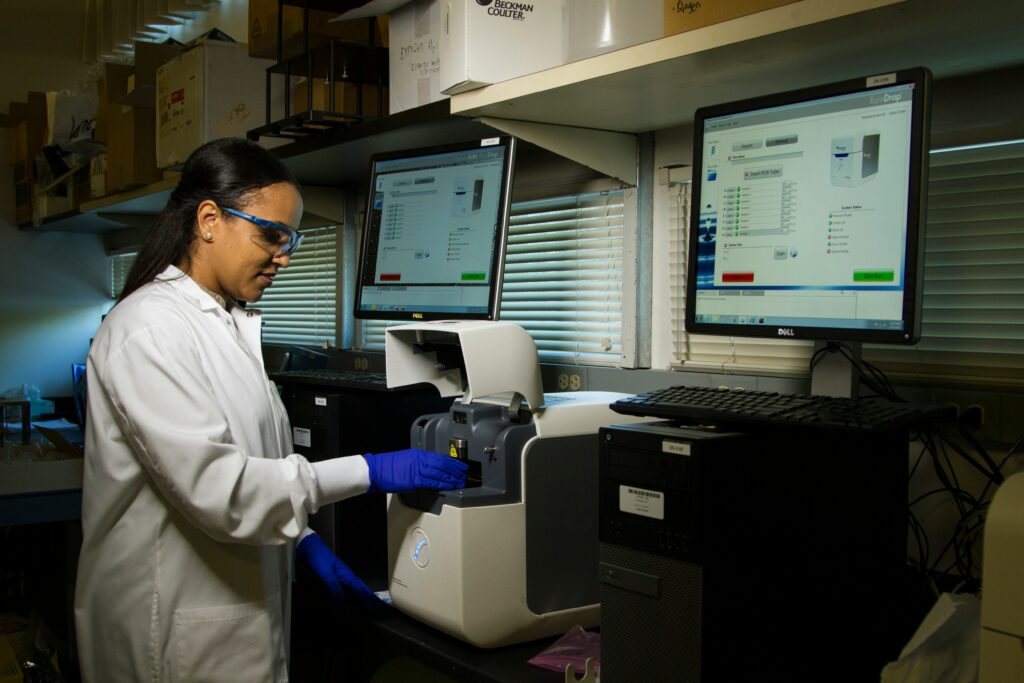
Medical professionals like doctors, nurses and other healthcare workers provide critical healthcare services, addressing aging populations and global health demands.
AI is revolutionizing the way healthcare is administered by healthcare professionals from using AI-driven solutions for diagnostics, treatment planning, and personalized medicine to building custom healthcare solutions.
What they’ll do:
- Interpret medical data using AI tools.
- Providing patient care in various settings.
- Managing remote healthcare services.
- Coordinating with healthcare teams.
- Develop personalized treatment plans based on AI insights.
- Collaborate with doctors and researchers to improve diagnostic methods.
Background knowledge of AI, healthcare informatics, and medical knowledge would be of great advantage to enable early detection and personalized care, transforming healthcare outcomes.
Mental health care will leap forward with VR therapy, exploring VR environments to treat conditions like PTSD, anxiety, and phobias.
You can work in hospitals, clinics, telehealth providers such as IBM Watson Healthcare, NVIDIA Clara, John’s Hopkins Hospital, Healthcare, Philips, Siemens Healthineers, and Tempus.
8. Cyber-security Specialists

Cybersecurity is a field that will always need skilled talents. Cybersecurity specialists protect digital and physical assets from threats by developing, improving, and monitoring security measures. They assess risks, manage encryption protocols, and respond to cybersecurity incidents.
With recent account hacks and cyber attacks on financial institutions and large corporations using AI, these specialists are vital for safeguarding sensitive data and infrastructure.
What they’ll do:
- Actively search for and neutralizes cyber threats before they can cause harm.
- Ensure that organizations comply with data protection regulations and safeguard user data.
- Carryout risk assessment to identify security risks to data and systems.
- Applying encryption protocols to manage encryption.
- Responding to cybersecurity incidents, threats and attacks.
Certain skills make this job role exceptional for professionals such as knowledge of data privacy laws, risk management, and cyber ethics can get you started.
Companies such as Palo Alto Networks, CrowdStrike, IBM Security, Darktrace, FireEye, Cisco, Symantec, McAfee, and Fortinet.
9. FinTech Analyst

FinTech analysts analyze financial technologies to optimize digital banking, payments, and blockchain systems. They assess the impact of new technologies on finance and develop strategies for emerging FinTech solutions.
What they’ll do:
- Forecasting financial trends using AI and data models.
- Evaluating the impact of new technologies.
- Creating strategies for emerging FinTech solutions.
FinTech Analysts play a crucial role in shaping the future of digital finance by integrating technology and financial expertise.
Companies that will hire actively include Banks (JPMorgan Chase), cryptocurrency platforms (Coinbase), payment processors (PayPal).
10. Robotics Engineer

You must have heard of Silas Adekunle, who is currently the highest paid robotics engineer in the world. Known for creating the first intelligent gaming robot, MekaMon and other innovative works like Reach Robotics and Awarri.
Robotics engineers design and implement robotic systems to enhance automation and efficiency. They develop algorithms for motion control and collaborate with cross-functional teams.
What they’ll do:
- Creating robotic systems for business needs.
- Programming motion control algorithms.
- Working with teams to integrate robotic solutions.
Robotics Engineers drive innovation by developing cutting-edge automation technologies.
You can get started in Automotive companies like Tesla, GAC, Ford, Toyota, Ecommerce and manufacturing giants like ABB, Walmat, etc.
Conclusion
Technological innovation, environmental challenges, and societal evolution will shape the jobs of 2030. The future workforce is brimming with new and exciting roles however, a recent report from the World Economic Forum (WEF) suggests that about 50 – 59% of workers will need reskilling by 2030 to avoid losing their jobs.
This has been validated by a huge decline in roles such as administrative assistants, cashiers, and content writers due to the implementation of AI in those case studies.
The possibilities are endless for those willing to embrace change and develop new skills.
Are you ready to step into the careers of tomorrow? Take that step now.
