
In today’s competitive job market, having a strong personal brand is essential for standing out, gaining credibility, and attracting new opportunities. This is especially true for tech professionals, where innovation, skill-sets, and the ability to solve real-world problems can be game-changers. Establishing a compelling personal brand can catapult your career to new heights, whether you’re a software developer, data analyst, product manager, or cybersecurity expert.
In this article, we will be looking at the details of building an attractive personal brand online. We will provide detailed strategies, case studies, and actionable steps to help you position yourself as a go-to expert in your field.
1. Understanding Personal Branding in 2025
What is Personal Branding?
Personal branding encompasses how you present your professional identity, both in the offline and online world. For tech professionals, this means highlighting your technical skills, problem-solving abilities, and personal values. It also involves showcasing your personality, work ethic, and vision. A well-established personal brand helps you connect with your target audience, employers, clients, or peers.
Why is Personal Branding Important?
i. Career Growth
In 2025, recruiters and hiring managers often review your online presence before considering your resume. A strong personal brand increases your chances of being found and recognized for opportunities that match your skill set. For instance, tech professionals who have made a name for themselves by consistently sharing knowledge and showing off their skills on platforms like LinkedIn or GitHub have potentials of attracting job opportunities.
ii. Networking
In tech, networking isn’t just about attending events and building relationships online. A powerful personal brand allows you to network effortlessly with like-minded people in your field.
Networking and meeting other professionals in your field exposes you to various opportunities.
iii. Influence and Authority
Tech professionals who consistently share valuable insights and content are perceived as thought leaders. Your expertise in a niche area can be recognized, allowing you to become an authority in your field. This is a significant advantage when it comes to personal branding.
iv. Opportunities
Having a personal brand can open doors to high-profile speaking engagements, collaborations with industry leaders, and opportunities for brand partnerships. Furthermore, a solid brand helps with business development, attracting potential clients or employers looking for your expertise.
Monetization
A personal brand also provides an avenue for monetizing your knowledge. Whether through content creation on YouTube, selling an online course, or consulting, your brand is the foundation for these income-generating opportunities.
2. Defining Your Unique Value Proposition (UVP)
What is a UVP?
Your Unique Value Proposition (UVP) is essentially the thing that makes you stand out from the crowd. Having a clear UVP helps you communicate your strengths effectively in a world filled with tech professionals. It’s what will help you attract the right audience—whether employers, clients, or peers.
How to Define Your UVP
i. Identify What Sets You Apart
Think about the skills, experiences, and values that distinguish you from others. Are you a developer who specializes in AI-driven applications? Are you a cybersecurity expert passionate about ethical hacking? Your UVP needs to highlight this uniqueness. Write down the things that make you different from others in your field. This could be technical skills, personal passions, or a unique problem-solving perspective.
ii. Focus on Solving Problems
A powerful UVP solves a problem. Ask yourself: “What problems do I help others solve with my skills?” Maybe you help startups optimize their data infrastructure or offer affordable, high-quality web development services for small businesses.
Example: A data analyst focusing on turning raw data into actionable insights for small businesses could define their UVP as “Helping small businesses make data-driven decisions with affordable, user-friendly solutions.”
iii. Your Mission
Your mission also drives your UVP. What is your greater purpose in the tech space? Are you focused on accessibility in tech? On solving a particular societal issue through technology? Your mission becomes your UVP’s foundation and should resonate with your target audience.
Actionable Tip: Write a mission statement that reflects your purpose in tech and tie it to your UVP. This mission statement can evolve but helps you maintain focus as your brand grows.
3. Optimizing Your Online Presence

A. Crafting a Professional LinkedIn Profile
LinkedIn remains the one of the most powerful tool for professional networking in the tech world. To build a compelling personal brand, your LinkedIn profile must reflect your UVP and engage visitors immediately.
i. Profile Photo
Your profile photo is the first thing people see, so make it count. A high-quality, professional head-shot creates an impression of competence and seriousness. Avoid using casual pictures or selfies.
ii. Headline
Your LinkedIn headline is critical. Rather than just stating your job title, make it compelling by explaining what you do and how you create value.
Example: “Data Scientist | Empowering businesses with AI-driven solutions” or “Cybersecurity Specialist | Protecting organizations from evolving cyber threats.”
iii. Summary
The summary section is your opportunity to tell your story. Explain who you are, what you do, and why you do it. Use storytelling to make it engaging; this section is often the first one potential employers or clients read.
Example: “I’m a passionate data scientist who thrives on solving complex problems with innovative AI solutions. With over 5 years of experience working with Fortune 500 companies, I help businesses turn data into actionable insights that drive growth.”
iv. Experience and Skills
Your experience and skills should directly reflect your UVP. Showcase your most relevant work experience, achievements, and the projects that best demonstrate your capabilities.
Tip: Don’t just list your roles—talk about specific accomplishments. For example, if your SEO strategy increased website traffic by 30%, make sure that’s mentioned!
v. Engagement
Engage with others’ posts by commenting on trends, sharing your thoughts, or providing value through your posts. This boosts visibility and reinforces your expertise.
B. Creating a Personal Website or Portfolio
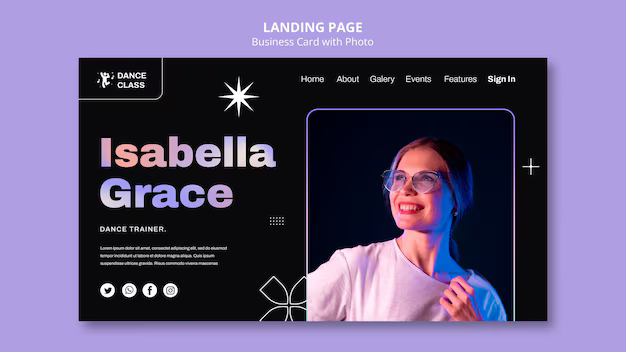
A personal website or portfolio is essential for showcasing your work. It’s more than just a digital resume; it’s a space to display your achievements, thought leadership, and unique perspective.
i. About Page
The About page should introduce you to your visitors. Who are you, what do you do, and why are you passionate about it? This is where your personal story matters—let it shine!
ii. Blog Section
A blog section is a powerful way to share your thoughts and experiences. You can write about current trends, new technologies, or personal lessons you’ve learned in your career. Regularly posting to your blog boosts SEO, keeps your audience engaged, and positions you as an authority in your field.
iii. Portfolio Page
Your portfolio should showcase your best work, including case studies, code samples, or product designs. It’s essential to demonstrate your abilities rather than just talking about them.
iv. Contact Page
Make it easy for people to contact you for opportunities, collaborations, or advice. A contact form, email address, or even links to your social media profiles are essential.
C. Optimizing Your Twitter/X and Other Social Media
While LinkedIn is professional, Twitter (now X) allows you to engage with a broader tech community. Many tech thought leaders and industry experts have built their brands mainly on Twitter.
D. Share Valuable Content
Share your thoughts, experiences, and insights into the tech industry on Twitter. It is an excellent platform to discuss emerging trends, tools, and topics that excite you.
E. Engage with Industry Leaders
By commenting on and retweeting the content of industry leaders, you can catch the attention of others in your space. Engaging with key influencers can open doors to collaborative opportunities.
F. Use Relevant Hashtags
Hashtags like #AI, #DataScience, #DevOps, and #TechTips allow your content to reach a broader audience interested in your niche.
4. Content Creation: The Key to Thought Leadership

Creating and sharing valuable content positions you as a thought leader and establishes your authority, allowing you to connect deeply with your audience.
A. Blogging
Writing blog posts on platforms like Medium and Dev.to, or your website can help showcase your knowledge and establish authority in your field. Topics can range from tutorials to industry insights.
B. Video Content
YouTube is an excellent platform for tutorials, sharing how you were able to solve various problems with your code, and product demos. You can also create shorter videos for platforms like TikTok or Instagram.
C. Open Source Contributions and GitHub Projects
Contributing to open-source projects on GitHub shows practical proof of your skills. It also helps you build connections with other developers and demonstrates your commitment to the community.
D. Podcasts and Webinars
Starting a podcast or hosting a webinar allows you to share knowledge, interact with other thought leaders, and engage with a broader audience.
E. Writing an E-book or Online Course
Creating an e-book or online course can significantly amplify your brand. Platforms like Udemy and Teachable provide the tools to monetize your knowledge while further establishing your authority in your field.
6. Networking and Community Engagement
Networking is a crucial component of building your brand. It’s not just about meeting new people; it’s about cultivating meaningful relationships with individuals with similar professional interests. Networking helps you to stay informed, receive support, and create collaborative opportunities.

7. Personal Branding Strategies for Tech Professionals
A. Continuous Learning and Skill Development
A strong personal brand requires constant improvement. Technology evolves quickly, and staying up-to-date with the latest trends and acquiring new skills is essential.
i. Upskilling and Certifications
As technology rapidly evolves, staying relevant means learning new skills. Platforms like Coursera, Udemy, and edX offer certifications in various tech fields, including AI, machine learning, cloud computing, and cybersecurity. Obtaining certifications helps improve your knowledge and adds to your credibility.
ii. Attending Events
In addition to formal courses, attending events like Tech for Good and Hack for Good, is another great way to stay ahead of the curve. These events often provide insights into the latest technologies, tools, and frameworks shaping the tech industry.
B. Creating a Strong Online Presence with Consistency
Having an online presence is crucial, but consistency is key. Regularly posting valuable content on platforms like LinkedIn, Twitter, or personal blogs is essential for reinforcing your brand.
i. Consistency in Content Creation
Whether you post about industry news, share tutorials, or write blogs, your content should align with your expertise. Consistent posting increases your visibility and demonstrates your commitment to your niche.
ii. Branding Your Online Presence
All your online profiles—whether on LinkedIn, Twitter, or personal websites—should be cohesive and reflect your UVP. This includes your professional profile photos, bios, and content themes.
C. Leveraging Analytics and Feedback
Understanding how your audience engages with your content allows you to refine your personal branding strategy.
i. Monitor Engagement Metrics
Using analytics tools like Google Analytics for your website, or LinkedIn and Twitter insights for social platforms, helps you track how your content is performing. Are people engaging with your posts? Are they commenting or sharing?
ii. Gathering Feedback
Don’t be afraid to ask your network for feedback. This could be through surveys, informal conversations, or feedback on your blog posts. Feedback helps you understand how your brand is perceived and where you can improve.
8. Measuring and Adjusting Your Personal Brand
A. Setting Personal Branding Goals
Like any professional endeavor, personal branding requires goals. Without clear goals, it’s easy to become lost in the noise.
Short-Term Goals
Short-term goals could include tasks like optimizing your LinkedIn profile, writing a blog post, or getting more involved in online communities. Set clear deadlines for these tasks to ensure steady progress.
Long-Term Goals
Long-term goals might involve becoming a recognized thought leader in a specific area of tech, publishing a book, or landing speaking engagements at top tech conferences.
Tip: Write down your goals and revisit them regularly to track your progress. It will help keep you motivated and focused.
Conclusion: The Power of Personal Branding
Personal branding is no longer optional; it’s a necessity, especially in the ever-evolving world of technology. By understanding your unique value proposition, optimizing your online presence, creating valuable content, networking, and constantly improving your skills, you can build a powerful personal brand that will open doors to new opportunities, collaborations, and career growth.
The key is consistency, authenticity, and dedication. Personal branding is a continuous process, and as long as you remain engaged with your community, stay committed to learning, and build meaningful relationships, your brand will continue to grow and thrive.
