Categories
General Kickstart Mentorship News Social Tech Uncategorized

Empowering a Continent: Five Years of Techrity Championing “Tech for Good” in Africa.

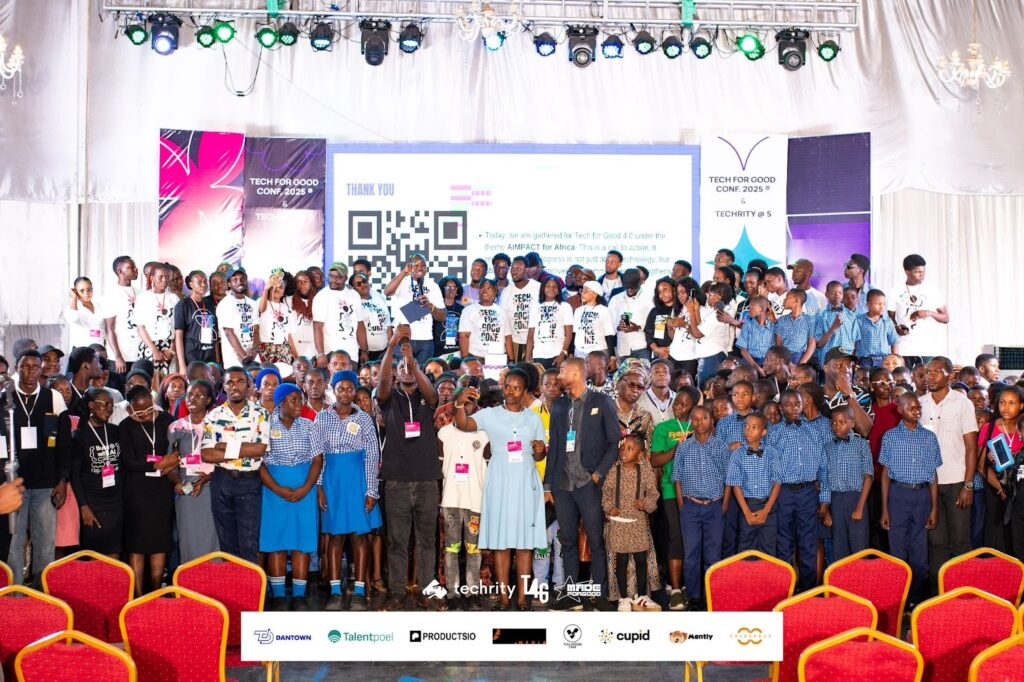
For half a decade, the Techrity Innovation Foundation has been on a steadfast mission to transform Africa’s digital landscape. What began in December 2020 has evolved into a continental movement dedicated to bridging the digital divide. On October 25, 2025, Techrity marked its 5th Anniversary by celebrating this journey of empowerment at the fourth edition of its flagship conference, themed AIMPACT Africa, held in Port Harcourt.

The milestone event brought together over 500 innovators, entrepreneurs, and educators to explore how Artificial Intelligence (AI) and emerging technologies can drive inclusion, digital literacy, and sustainable development across the continent.

Grassroots Impact: The Road to Tech for Good

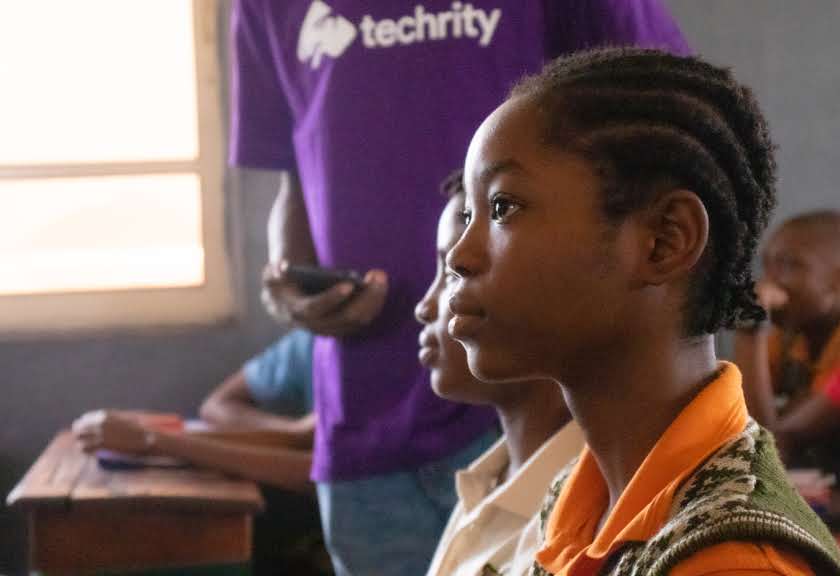
Techrity’s commitment to “Empowering a Continent” begins in the classroom. Leading up to the anniversary conference, the team embarked on the “Road to Tech for Good” outreach, visiting Rumuokuta Girls Secondary School and Community Secondary School. The mission was to inspire young students to view technology not just as a subject, but as a critical tool for shaping their futures and solving real-world problems.

To solidify this commitment to early access, Techrity sponsored 120 students from public and private secondary schools across Rivers State to attend the conference. A powerful highlight of their participation was the emergence of Emmanuel Amaechi, an SS1 student from Christ Army Educational School, as the winner of the interschool Q&A session. He received a ₦50,000 cash prize and a full Tech Scholarship from Mr. Chinoso Chijoke, Founder of Cupid Technologies.

Key Takeaways: The Moments and Highlights That Shaped the Conference

Opening the conference, Islamiat Arinola Oseni, Senior Project Officer at Techrity, described Tech for Good as “more than an event, it is a movement to leverage technology for empowerment, community growth, and social impact.” She highlighted Techrity’s commitment to bridging the digital divide through mentorship, capacity building, and inclusion-focused initiatives.

Delivering the 5th anniversary speech and  Impact story, Techrity’s Founder and Team Lead, Mrs Owanate Amachree, reflected on the foundation’s growth since its establishment in 2020. She said Techrity has evolved into “a pan-African force for social innovation and digital empowerment,” citing initiatives such as Hack for Good, the Techrity Mentorship Program, the Kickstart Initiative, and the Laptop Support Scholarship. “Technology has the power to redefine Africa’s growth narrative. At Techrity, we are building an ecosystem that enables learning, innovation, and impact,” she said.

The Keynote Sessions offered thought-provoking insights into the transformative power of technology in shaping Africa’s digital future. Mr Kenneth Nwokoro opened with “Building an Inclusive Digital Economy: Empowering Communities and Closing the Digital Divide,” emphasising the need for equitable access to technology and digital opportunities across all communities. Chimene Chinah followed with “AI for Inclusive Growth: Harnessing Artificial Intelligence to Drive Africa’s Transformation,” exploring how artificial intelligence can catalyse sustainable development and inclusive progress across the continent.

The Guest Speakers further enriched the discussions with practical perspectives on innovation and empowerment. Mrs Amarachi Stanley-Duru delivered a compelling session on “Shaping Africa’s Workforce for the Future: Embracing Digital Transformation and Skills Development,” highlighting the importance of upskilling and adaptability in a rapidly evolving world. Mrs Karla Obakpolor rounded off the segment with “Building for Social Good: Scaling Innovation and Creating Impact,” emphasising the role of purpose-driven innovation in driving meaningful change across Africa.

The Speaker Session featured Harmony Elendu, who delivered an insightful presentation titled “People Behind Models: How AI is Elevating Careers and Skills Expansion.” Her talk shed light on the human side of artificial intelligence, exploring how AI is transforming industries and empowering individuals to build new skills, enhance their careers, and thrive in the digital age.

The conference also featured engaging panel sessions, lightning talks and a fireside chat that explored innovation, inclusion, and Africa’s digital future. The first Panel Session focused on the topic, From Learner to Leader: Forging a Resilient Tech Talent Pipeline through Ecosystem Collaboration hosted by Bliss Isioma Ajie (HR/Operations Manager, Mently) and the Panelists were Richard Pepple (Founder, Technoville) and Shammah Nei (Director, Engineering Philanthrolab), The second Panel session focused on Navigating The New Financial Frontier: Regulation, Innovation and The Future of Crypto in Nigeria hosted Mr Godwin Jimmy (CTO, Dantown HQ) and the panelists were Godfrey Kelechukwu (Founder, Boardroom), Favourite Henry (Product Marketing Manager), Chininso Chijioke (Founder, Cupid Technologies), The Third Panel session focused on the topic, The Global Talent Playbook: Unlocking Remote Opportunities and Building a Competitive African Workforce, was moderated by Fano Oyin Jessica, Techrity’s Chief Administrative Officer. Panellists included Lloyd Otu, Co-Founder of TalentPoel, and Newton Adiari Newton, Product Manager at Cre8Space Africa, shared insights on remote work, digital tools, and how African youths can compete in a borderless economy.

The fireside chat with Julian Duru (ex Moniepoint engineer and now an independent researcher) hosted by Daniel Obiyo (Founder, Quint Impact Initiative), offered an inspiring story of resilience and leadership, as he discussed personal experiences and lessons from Africa’s evolving innovation space.

The Lightning Talk Breakout Sessions featured a series of simultaneous, high-energy presentations where speakers shared unique insights on technology, creativity, and artificial intelligence. Chibuzo Madumere explored “From Curiosity to Code: How AI and Creativity Empower Tech Beginners,” emphasising how innovation often begins with curiosity. Opuine Kayode Fowora presented “AI for Differentiated Instruction & Inclusivity: A Teacher’s Perspective on Empowering Every Learner with AI,” shedding light on AI’s role in inclusive education. Yves Kwameh V. delivered “Beginner Skills You’ll Need Before the Boots Take Your Briefs,” a dynamic talk on essential skills for those starting their tech journey. Numbere Tehila Tamunobakam discussed “Agentic AI and Liability: Who Bears the Burden When Mishaps Occur?” examining accountability in the age of intelligent systems. Meanwhile, Precious Sunday inspired attendees with “Unlocking the Future: Navigating Tech’s Uncharted Territory,” encouraging bold exploration of technology’s evolving landscape.

A key highlight of the event was the official launch of Made for Good, presented by Peculiar Akinloye, Techrity’s Operations Manager. Made for Good is a purpose-driven brand that embodies the spirit of paying it forward using proceeds from its merchandise and initiatives to support causes such as providing laptops, internet data, and digital tools for young Africans. The initiative also connects startups, organisations, and innovators working on technology-driven impact projects across the continent. According to Akinloye, the platform aims to “promote partnerships, shared learning, and scalable innovation for development.

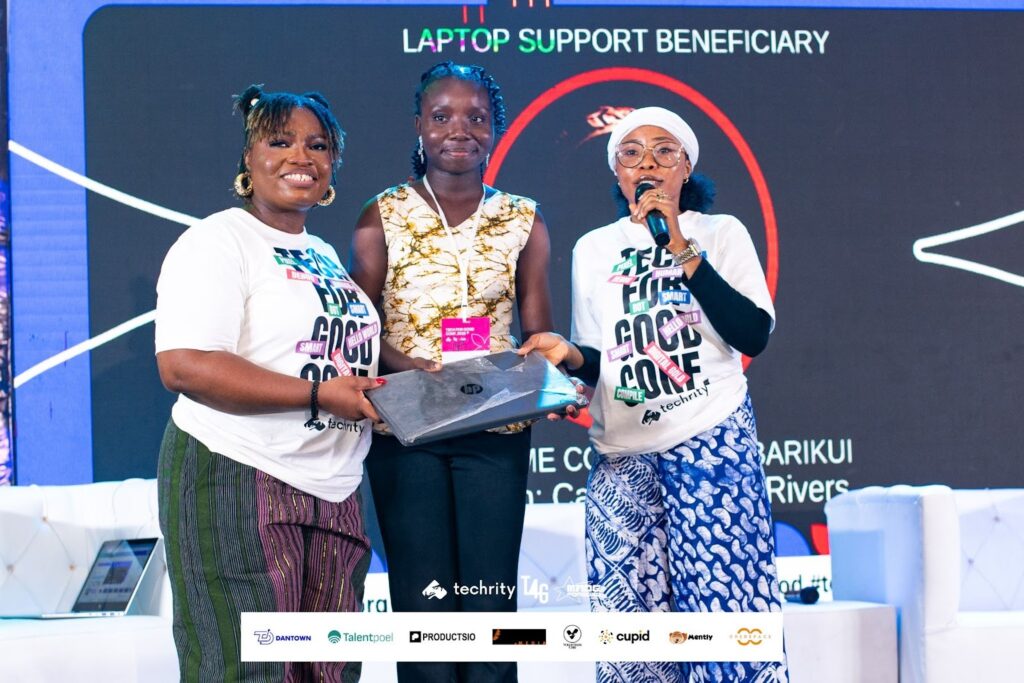
In addition, there was the Techrity Laptop Support Scholarship presentation. This initiative equips young Nigerians with laptops, internet access, and mentorship to enhance their digital skills and create career growth opportunities. Following a transparent selection process guided by passion, need, and commitment to social good, 11 (eleven) young Nigerians were awarded laptops, data support, and mentorship to boost their digital careers at the conference. Among these beneficiaries were Ikordeme Confidence Barikui, Onaeko Emmanuel Oladipupo, Ozuru Irenma Pearl, Ozuru Olanma Jewel, Philomena Nkereuwem Nyah, Iyke Victor Chidera, Winner Osinachi Offor, Elekwachi Zion Chibuchi, Emeka Victor Chigozie, Okonkwo Ckaima Peniel, and Ebubechukwu Osy-Uzoekwe. “We believe in using technology to transform lives, one person and one community at a time,” Oseni said.

Another major highlight of the day was the Techrity Social Impact Awards, which honours individuals and organisations using technology to drive mentorship, digital inclusion and social good. The award recipients included Renaissance Innovation Labs (Tech Community Partner of the Year), Kenneth Nwokoro ( Social Impact Award (Mentorship), Stakeholders Democracy Network (Social Impact Award – Tech for Gender Equality), Bright Chinenyeze (Social Impact Award (Digital Inclusion Advocate), Richard Sodienye Pepple (Social Impact Award – Mentorship), and Richard Tamunotonye (Social Impact Award – Mentorship).

A Five-Year Legacy and a Call to the Future

In just five years, Techrity has grown into a global community of 886 innovators with over 12,000 digital followers across Nigeria, Kenya, India, Botswana, Ghana, Rwanda, and Uganda. Through initiatives like the Kickstart Initiative, which has provided 35 laptops and ₦5 million in data support, and a mentorship program engaging over 100 participants, Techrity is actively nurturing Africa’s next wave of tech talents.

The success of the 5th anniversary celebration was bolstered by several partners, including Dantown (Key donor and partner for the Laptop Support Scholarship), Productsio, TalentPoel, Cre8Space, Artful Media, Cupid Technologies, Volunteers Crib, Mently, and Made for Good.

In her closing remarks, Owanate Amachree thanked all partners, speakers, and volunteers for their contributions, noting that “the true impact of Techrity lies not only in its social impact programs but in the lives we transform.” She reaffirmed the foundation’s goal to continue empowering Africans through technology, mentorship, and innovation — inspiring, coaching, and building for social good.

As part of its five-year milestone, Techrity is extending an open call to corporate partners, development organisations, startups, and philanthropists to collaborate in building the future of young Africans through mentorship, digital education, and social impact programs designed to bridge gaps in unemployment, inclusion, and opportunity across Africa. 

Let us drive this mission together by equipping young people with laptops, internet access, and digital skills, fostering innovation through SDG-focused hackathons and mentorship programs, and promoting inclusion and gender equality through technology-driven education.

Organisations and individuals interested in partnering can reach out via hello@techrity.org or visit www.techrity.org to learn more.
Categories
Getting started Kickstart Software Tech

Crafting Dynamic and Responsive Web Layouts with Bootstrap CSS

In the ever-evolving world of software engineering, creating websites that look and function well across various devices is no longer a luxury; it is a necessity. This is where Bootstrap CSS comes into play. Bootstrap, a popular front-end framework, has revolutionized the way web developers approach responsiveness since its release in 2011.

Bootstrap CSS, alongside other CSS frameworks, such as Tailwind CSS, Foundation, Bulma, Skeleton, etc., has simplified the complexities of creating responsive layouts for websites.

In this comprehensive guide, I will take you on a journey through the fundamentals of Bootstrap and show you how to harness its power to bootstrap stunning and responsive layouts for your web projects.

Bootstrap home

What is Bootstrap?

At its core, Bootstrap is a comprehensive set of HTML, CSS, and JavaScript components and tools designed to simplify web development. It provides developers with a solid foundation upon which to build responsive and visually appealing websites and web applications. Bootstrap’s primary focus is responsive design, ensuring that your website or web application adapts seamlessly to different screen sizes, from the smallest smartphones to the largest desktop monitors.

Bootstrap’s feature set includes a responsive grid system, an extensive library of pre-built UI components, (such as navigation bars, buttons, forms, cards, pagination, badges, navbar, modals, etc.), and a wealth of CSS classes for styling and layout control.

In addition to these components, Bootstrap offers optional JavaScript plugins to improve user interactions and functionality.

Advantages of Choosing Bootstrap

Now that you have a basic understanding of what Bootstrap is, let’s explore why it has become the go-to choice for countless web developers:

1. Rapid Development: Bootstrap significantly accelerates the development process. It provides pre-designed components and a responsive grid system that allows developers to focus on creating content and functionality rather than starting from scratch with every project.

2. Consistency: Bootstrap enforces design consistency throughout your website or application. This is especially valuable when collaborating with multiple developers or designers, as it establishes a common design language and style guide.

3. Responsiveness: With Bootstrap, responsiveness is built-in. Your layouts will automatically adapt to different screen sizes, ensuring a seamless user experience on everything from mobile devices to desktops.

4. Customization: While Bootstrap comes with a sleek default theme, it is highly customizable. You can easily modify its appearance to match your project’s branding or create unique designs using Bootstrap as a foundation.

5. Strong Community and Resources: Bootstrap boasts a vibrant community of developers and a wealth of documentation, tutorials, and third-party themes and plugins. This makes it easy to find solutions to common challenges and stay up-to-date with best practices.

Now that we have scratched the surface of Bootstrap’s capabilities and you have read some of its advantages, let’s delve deeper into the practical aspects of getting started with Bootstrap in the next section.

Getting Started with Bootstrap

Bootstrap offers a quick and straightforward way to include its production-ready CSS and JavaScript in your project without the need for complex build steps.

Here is a step-by-step guide to help you get started:

Bootstrap provides a Content Delivery Network (CDN) that allows you to easily include its CSS and JavaScript files in your project. This means you can get up and running with Bootstrap in no time.

1. Create an HTML file

Start by creating a new index.html file in the root directory of your project. This file will serve as the entry point for your web application.

<!doctype html>
<html lang="en">
  <head>
    <meta charset="utf-8">
    <meta name="viewport" content="width=device-width, initial-scale=1">
    <title>Bootstrap Demo</title>
  </head>
  <body>
    <!-- Your content goes here -->
  </body>
</html>

In this basic HTML template, you just included the essential meta tags for character encoding and responsive behavior. These tags ensure that your web page looks great on various devices, from smartphones to desktops.

2. Include Bootstrap’s CSS

Include Bootstrap’s CSS to style your web page by placing the <link> tag in your HTML document’s <head> section.

This <link> tag references Bootstrap’s CSS file from the CDN, ensuring that your web page is styled according to Bootstrap’s design principles.

<!doctype html>
<html lang="en">
  <head>
    <meta charset="utf-8">
    <meta name="viewport" content="width=device-width, initial-scale=1">
    <title>Bootstrap Demo</title>
    <link href="<https://cdn.jsdelivr.net/npm/bootstrap@5.2.3/dist/css/bootstrap.min.css>" rel="stylesheet" integrity="sha384-rbsA2VBKQhggwzxH7pPCaAqO46MgnOM80zW1RWuH61DGLwZJEdK2Kadq2F9CUG65" crossorigin="anonymous">
  </head>
  <body>
    <!-- Your content goes here -->
  </body>
</html>

3. Include Bootstrap’s JavaScript

To make use of Bootstrap’s interactive components and functionality, including its JavaScript, place the <script> tag for Bootstrap’s JavaScript bundle just before the closing </body> tag of your HTML document.

<!doctype html>
<html lang="en">
  <head>
    <meta charset="utf-8">
    <meta name="viewport" content="width=device-width, initial-scale=1">
    <title>Bootstrap Demo</title>
    <link href="<https://cdn.jsdelivr.net/npm/bootstrap@5.2.3/dist/css/bootstrap.min.css>" rel="stylesheet" integrity="sha384-rbsA2VBKQhggwzxH7pPCaAqO46MgnOM80zW1RWuH61DGLwZJEdK2Kadq2F9CUG65" crossorigin="anonymous">
  </head>
  <body>
    <!-- Your content goes here -->
    <script src="<https://cdn.jsdelivr.net/npm/bootstrap@5.2.3/dist/js/bootstrap.bundle.min.js>" integrity="sha384-kenU1KFdBIe4zVF0s0G1M5b4hcpxyD9F7jL+jjXkk+Q2h455rYXK/7HAuoJl+0I4" crossorigin="anonymous"></script>
  </body>
</html>

By including this <script> tag, you are not only adding Bootstrap’s JavaScript but also Popper, a library used for positioning dropdowns, popovers, and tooltips. This ensures that your Bootstrap components function correctly.

4. Optional: Include Popper and Bootstrap JavaScript Separately

If you do not plan to use dropdowns, popovers, or tooltips, you have the option to include Popper and Bootstrap JavaScript separately. This can help save some kilobytes by not including Popper when it is unnecessary.

<script src="<https://cdn.jsdelivr.net/npm/@popperjs/core@2.11.6/dist/umd/popper.min.js>" integrity="sha384-oBqDVmMz9ATKxIep9tiCxS/Z9fNfEXiDAYTujMAeBAsjFuCZSmKbSSUnQlmh/jp3" crossorigin="anonymous"></script>

<script src="<https://cdn.jsdelivr.net/npm/bootstrap@5.2.3/dist/js/bootstrap.min.js>" integrity="sha384-cuYeSxntonz0PPNlHhBs68uyIAVpIIOZZ5JqeqvYYIcEL727kskC66kF92t6Xl2V" crossorigin="anonymous"></script>

In our example, we will not be using Popper, as we are only interested in the grid system provided by Bootstrap for a responsive layout.

Your HTML file should look like this (without Popper):

<!doctype html>
<html lang="en">
  <head>
    <meta charset="utf-8">
    <meta name="viewport" content="width=device-width, initial-scale=1">
    <title>Bootstrap Demo</title>
    <link href="<https://cdn.jsdelivr.net/npm/bootstrap@5.2.3/dist/css/bootstrap.min.css>" rel="stylesheet" integrity="sha384-rbsA2VBKQhggwzxH7pPCaAqO46MgnOM80zW1RWuH61DGLwZJEdK2Kadq2F9CUG65" crossorigin="anonymous">
  </head>
  <body>
    <!-- Your content goes here -->
    <script src="<https://cdn.jsdelivr.net/npm/bootstrap@5.2.3/dist/js/bootstrap.min.js>" integrity="sha384-cuYeSxntonz0PPNlHhBs68uyIAVpIIOZZ5JqeqvYYIcEL727kskC66kF92t6Xl2V" crossorigin="anonymous"></script>
  </body>
</html>

With these steps, you have successfully set up Bootstrap in your project, allowing you to take advantage of its responsive grid system and pre-designed UI components. In the upcoming sections of this article, we will explore how to leverage Bootstrap’s features to create stunning, responsive layouts for your web projects.

Creating Responsive Layouts with Bootstrap

This flexible and powerful system uses a combination of containers, rows, and columns, all built with the power of Flexbox, to help you achieve pixel-perfect alignment and responsiveness across a wide range of devices and screen sizes.

Bootstrap Grid System

Understanding the Bootstrap Grid System

Before we delve into the specifics, let’s understand the fundamental components of the Bootstrap grid system:

  • Containers: Containers provide the outermost wrapper for your content. They help center your content and provide padding on the left and right sides. Bootstrap offers both fixed-width (container) and full-width (container-fluid) containers.
  • Rows: Rows are used to contain and clear a set of columns. They ensure that columns align well and do not overlap. Rows are placed inside containers.
  • Columns: Columns are the building blocks of your layout. You can specify how many columns each element should span, and Bootstrap will take care of the rest. Columns are placed inside rows.

Now, let’s explore some practical applications of this grid system.

Auto-layout Columns

Bootstrap offers a variety of ways to create responsive columns without the need for explicit numerical classes like .col-sm-6. These auto-layout columns adapt automatically to different screen sizes.

Equal-width Columns

You can create equal-width columns that apply to every device and viewport, from extra-small (xs) to extra-extra-large (xxl). Add unit-less classes to specify how many columns you need, and Bootstrap ensures that each column is of the same width.

<div class="container text-center">
  <div class="row">
    <div class="col">
      1 of 2
    </div>
    <div class="col">
      2 of 2
    </div>
  </div>
  <div class="row">
    <div class="col">
      1 of 3
    </div>
    <div class="col">
      2 of 3
    </div>
    <div class="col">
      3 of 3
    </div>
  </div>
</div>


In the example above, we have two rows, each containing equal-width columns. Whether on a large desktop screen or a mobile device, these columns will adjust automatically to occupy the available space evenly.

Bootstrap example - Equal-width Columns

Setting One Column Width

Bootstrap’s auto-layout for flexbox grid columns allows you to set the width of just one column, and the sibling columns will automatically resize around it. You can achieve this using predefined grid classes, grid mixins, or inline widths.

<div class="container text-center">
  <div class="row">
    <div class="col">
      1 of 3
    </div>
    <div class="col-6">
      2 of 3 (wider)
    </div>
    <div class="col">
      3 of 3
    </div>
  </div>
  <div class="row">
    <div class="col">
      1 of 3
    </div>
    <div class="col-5">
      2 of 3 (wider)
    </div>
    <div class="col">
      3 of 3
    </div>
  </div>
</div>

In this example, the second column is explicitly set to be wider (col-6 and col-5, respectively), and the other columns adjust their widths accordingly. This flexibility makes it easy to create complex layouts that adapt beautifully to various screen sizes.

Bootstrap example - Setting One Column Width

Wrapping Up

Bootstrap is generally considered an opinionated library, which means it has a set of assumptions and guidelines for building responsive and mobile-first web applications. While it offers a wide range of customizable components and tools, it is designed to be used in a specific way to achieve consistent and predictable results.

Using Bootstrap to quickly bootstrap your web development project sets you one step ahead and brings you closer to completing your development in no time. This is because you no longer have to worry about the hard parts, such as stylings, responsiveness, components, etc. because Bootstrap takes care of those.

In this article, walked through setting up Bootstrap in your web project. By embracing Bootstrap, you not only save time but also ensure your projects look exceptional on screens of all sizes, thus enabling you to build mobile-friendly websites.

Further Readings

Video Tutorials

Bootstrap Tutorial - YouTube
Bootstrap Grid System Tutorial | Bootstrap 5 - YouTube
Bootstrap 5 Crash Course Tutorial #1 - Intro & Setup - YouTube
Categories
Career advice Kickstart Tech

Reasons to Consider a Job in Tech

You probably have heard all about the importance that comes with the position of a lawyer, doctor, accountant and all of the regular corporate world job titles. What you most likely have not heard is that aside those corporate positions and the prestige they offer, there are a wide range of other career options that offer as much relevance as a job in the corporate world, with an added advantage of having to work from any location in the world at any time in the day deemed convenient.

A bulk of these career options is found in the Tech industry. Data science, software development, information security analysis, computer systems analysis, web development, search engine optimization, technical writing and artificial intelligence are some of the high demand career options that exist in tech.

If you’ve always wanted a job that allows you all of the freedoms you deserve to lead a happy life while harnessing the best parts of your mental capability; if you fancy the idea of contributing effectively to making the world better yet remain behind the scene, you definitely should consider getting a job in Tech.

Here are five reasons you should consider a job in tech, especially if you desire to contribute a part of your mental ability to increasing world innovations while getting rewarded.

  1. Skill over qualification
  2. Opportunity for innovation
  3. Opportunity for growth
  4. Possibility of working remotely
  5. High demand

Skill over Qualification: Jobs in tech such as web development, digital marketing, artificial intelligence, cloud computing etc., do not necessarily need a lot of paper work to get you hired and strapped in for a new project. Unlike regular office jobs, tech career options reserve the best positions for the most skillful and emphasizes competence over certifications. A job in the tech industry has no discrimination whatsoever on age, gender, nationality or religion as long as the job gets done.

 Opportunity for Innovation: Technology is evolving daily, thanks to the millions of tech-professionals working daily to make things easier. You can agree with me that twenty years ago, an interactive website with a very colorful landing page used to seem like a luxury especially in developing continents like Africa.  Today everyone can have access to millions of specialized websites in seconds, connecting from virtually anywhere in the world. This is proof of how quickly technology has evolved in the past two decades. This trend therefore suggests that, a career option in any tech field, gives no room for monotonicity and boredom as every day is an opportunity for innovation.

Opportunity for Growth: Tech knowledge is pretty easy to acquire with practice and consistency. A job in tech offers you the opportunity to get better in your primary skill and pick up a few new skills.  In tech, it’s all about working and growing.

Possibility of Working Remotely: Not many career options can boast of liberty to have workers function remotely, away from the supervising eyes of Management yet perform at maximum efficiency. Taking on a job in any field of tech allows you the liberty to work in an environment other than the organizations facility, yet function effectively.

High Demand: These days, everyone depends on one form of tech or another to get through daily life activities. From social media handling, to creating just the right designs for banners and business logos, down to completing a college assignment, there is always a need for the use of the computer and internet enabled devices; Thus an increase in the demand for tech savvy individuals with every tick of the clock. This  insinuates that getting a high paying job in the tech industry isn’t just a possibility but a norm in our century.

       To conclude, the tech industry isn’t just interesting, it is also rewarding. A job in tech might just be your first step to career fulfillment and financial freedom. Tech-up today!

Need the right tools and resources to help Kick start your Tech Career today? Visit: https://techrity.org and join the community to get started.

Categories
Kickstart Tech Techrity Programmes

TECHing The Young: Techrity IWD2021 Educational Outreach Program

The impact of educational outreach programs in schools can be felt on the academic, physiological, and psychological traits of the students.

Various barriers prevent many young ones, even the young female, from starting a career in tech at an early age. One of such barriers is the lack of sensitization of an early career start in tech, even as a secondary school student, limited availability of resources and materials for learning, as well as a Mentor, to guide and track progress. 

Techrity’s talent development scheme called the Kickstart program is aimed at solving these problems. We embarked on an outreach program tagged: TECHing the Young in various secondary schools in a bid to educate the young ones on the need to start a career in tech at a young age to boycott the unemployment problem faced in Nigeria. The outreach program was embarked on to commemorate the International Women’s Day held on 8th March 2021, and also to sensitize the female gender and educate them on the opportunities for females in technology, this was done as part of our commitment to the UN SDGs 5: Bridging the gap in gender disparity in the tech industry.

The outreach program featured talks centered on careers in tech, the need to start their careers early, as well as showcasing successful young talents in the tech industry such as Opemipo Disu, the 15-year-old developer and IBM champion from Nigeria.

Opemipo Disu aka the 15y.o developer and IBM Champion

Two students who showed great enthusiasm were awarded scholarships to enable them to kickstart their tech journey. Techrity’s Kickstart program includes a laptop, a personal mentor and data support for each child to aid their learning journey.

These students are Prince Onuzulike of Inama International Secondary School, and Chijioke Egbuomuche, a student of the Hybrid International Academy. 

Prince Onuzulike is in class 1 in the Junior Secondary category of Inama International Secondary School. Prince is a young lad who almost had a deformed hand from an accident, which is quite noticeable.

From left: Miss Owanate (Founder, Techrity), Mrs. Onuzulike, Prince Onuzulike, and Mr. Adagboyi Joseph (Principal, Inama Intl Sec. Sch.)

Chijioke Egbuomuche is a student of Hybrid International Academy Senior Secondary. He has a flair for creating things which can be seen in the picture below.

Chijioke created a Fan, a Car, and a Dispenser. These things were all made from cartons, D.C motors and batteries. For the fan, he used something like a blade to act as the propeller so an amount of air touches you when it is turned on. The car moves with help of the D.C motor connected to the back tyre under the car. The Dispenser is a manual one, so it had no use for the D.C motor. Chijioke’s creativity and innovation are what earned him the scholarship to further enhance his creative flair and help him digitally.

Chijioke – Winner of Techrity Kickstart Scholarship Award and Owanate

The recipients of Techrity’s Kickstart Program will be given a laptop, a mentor as well as data support, to help guide these young minds to early career exploits in technology. The mentors assigned to these young ones are responsible for their growth and progress in technology. 

Few students were also awarded cash prizes for their great performances. These students are David Bob, Emmanuel Ekeh, Prince Onuzulike, all of Inama International Secondary School and Miracle Eboseh of Hybrid International Academy. Some of the students were awarded cash prizes for their ability to answer technical questions, performance in examinations and their quest for knowledge.

A student receiving a maths set and books for his outstanding performance
A student receiving a maths set and books for her outstanding performance

Techrity is all about Helping New Talents and building solutions for social good, we also believe in Paying it Forward.

Watch this explainer video on Youtube.

Students of Inama International Secondary School 
Students from Hybrid International Academy 
Techrity Outreach Team

Important Links

Visit the Techrity Website

Watch the Women in Leadership and Technology Virtual Event on Youtube

Follow us on Twitter

Follow us on Instagram

Like us on Facebook

Follow us on LinkedIn

Thanks for reading!