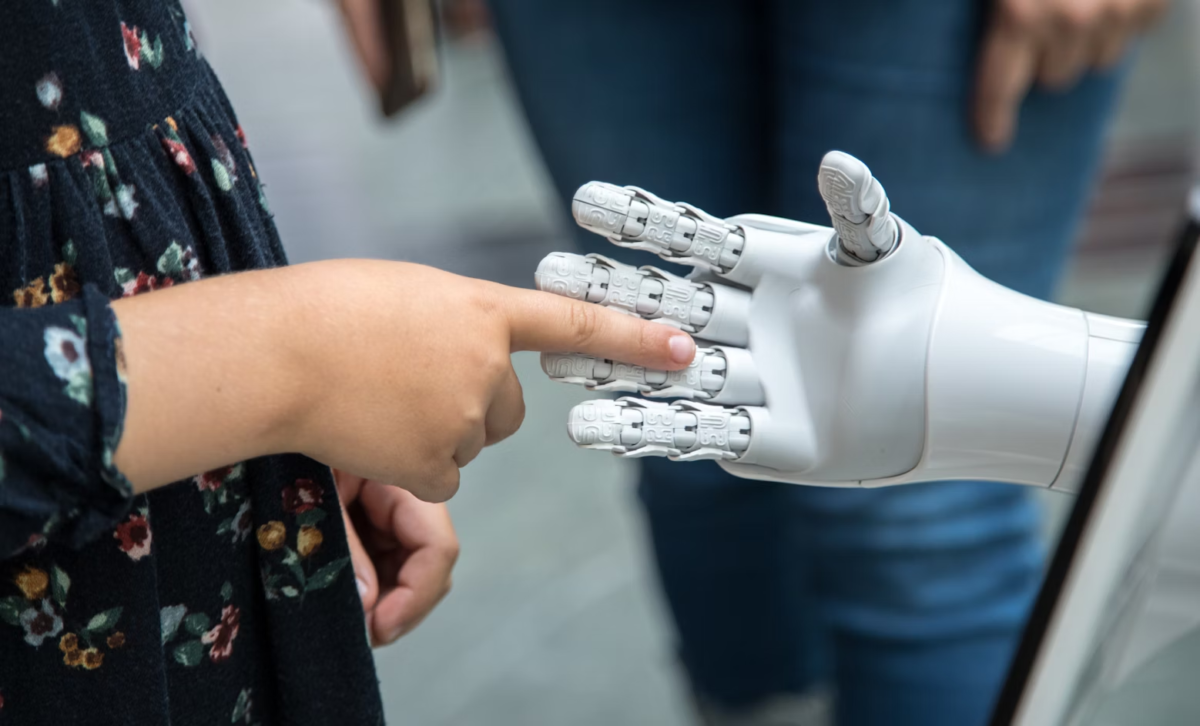

In 2025, the job market is evolving in ways we never imagined. Gone are the days when doctors, lawyers, and engineers were the ultimate career choices.
Thanks to advancements in technology, environmental shifts, and evolving consumer behaviors, new job roles are emerging that sound like they belong in a sci-fi movie (seriously, who’s a Space Tourism Guide?). Moreover, 85% of jobs that will be mainstream by 2030 have not even been created.
From earthquake forecasters to digital currency advisors, the workforce of 2030 will look very different from what we know today.
If, like us, you’re curious about what kind of crazy, exciting, and futuristic careers might pop up over the next few years, you’re in the right place. Join me on a wild adventure to uncover the future job roles that will redefine the way we work.
1. Earthquake Forecaster

We have weather forecasters predicting storms and hurricanes, but what about earthquakes? Scientists are making progress in using AI, satellite data, and geological shifts to predict earthquakes with higher accuracy. So in he coming half a decade, what can we expect? For a start, by 2030, we could see dedicated earthquake forecasters working alongside governments, real estate developers, and disaster preparedness teams. The culmination of such professional effort will be to provide early warnings and reduce damage.
2. Crypto and Other Digital Currency Advisor
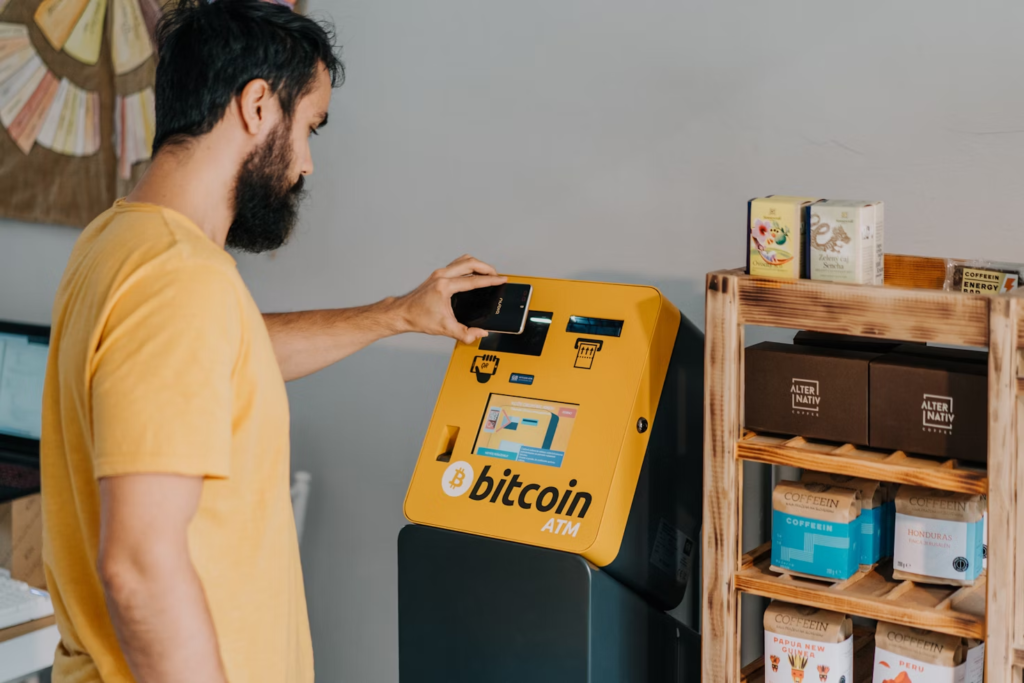
while crypto exchanges are filing for bankruptcy, Bitcoin still manages to smash its all-time high figures from months ago. With the continued rise of Bitcoin, Ethereum, and central bank digital currencies, traditional financial advisors might not cut it anymore. Enter the digital currency advisor, a financial expert specializing in crypto investments, blockchain technology, and regulatory compliance. As decentralized finance (DeFi) continues to grow, these advisors will help individuals and businesses navigate the world of digital money.
3. AI Ethics Consultant

AI has virtually become a mainstream part of our work and personal life. It is taking over everything from customer service to medical diagnoses, but who’s making sure it’s being used responsibly? Enter the AI ethics consultant. This will be a specialist who ensures AI systems are fair, unbiased, and don’t lead to unintended discrimination. As artificial intelligence becomes more integrated into daily life, companies will need these experts to keep things ethical and legal.
4. Space Tourism Guide

With companies like SpaceX and Blue Origin making space travel a reality, the future might hold an entirely new tourism sector—space tourism. The role of a space tourism guide will be similar to that of a flight attendant, but in zero gravity! These guides will be responsible for educating travelers about space, ensuring safety during trips, and making intergalactic journeys unforgettable.
5. Virtual Reality Therapist

Mental health treatment is evolving, and VR is playing a big role in that transformation. A virtual reality therapist will use immersive VR environments to help patients manage anxiety, PTSD, and even chronic pain. Instead of traditional face-to-face therapy, these specialists will guide patients through simulated scenarios designed to ease their struggles.
6. Cybersecurity Threat Analyst

Cybercrime isn’t going away anytime soon. The need to checkmate the excesses of hackers and nefarious elements on the world wide web keeps intensifying. by 2030, companies will need more than just IT support; they need cybersecurity threat analysts who can anticipate, analyze, and neutralize digital threats before they cause havoc. a cybersecurity threat analyst role will combine AI-driven security measures with hands-on detective work to protect sensitive data and infrastructure.
7. Chief Climate Officer (CCO)

Climate change is no longer just a discussion. It has grown into a major global corporate concern. By 2030, large companies will likely have Chief Climate Officers (CCOs), responsible for ensuring businesses operate sustainably. Their job? Reduce carbon footprints, implement green policies, and make sustainability a core part of corporate strategy.
8. Personal Data Broker
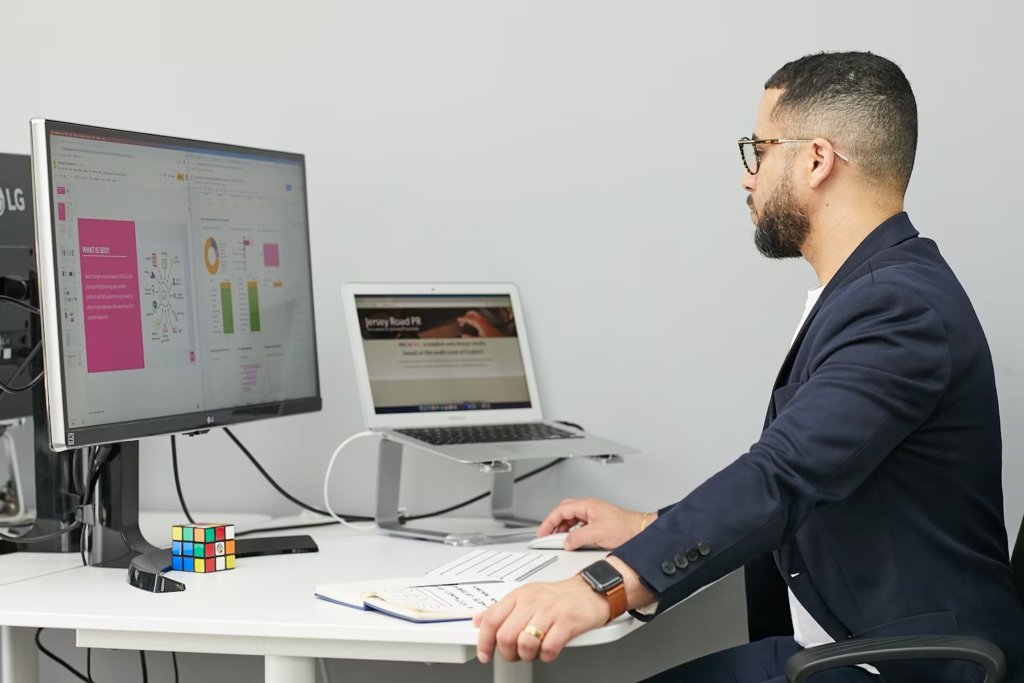
In a world where data is more valuable than oil, individuals will need professionals who can help them manage, sell, or protect their digital information. A personal data broker will act as a middleman, ensuring people are fairly compensated for the data they share with corporations while maintaining privacy. Data analysts and data scientists are already very useful to several industries, you might be needing a personal data broker for your next contract.
9. AI-Powered Personal Shopper

Forget traditional retail assistants because AI-powered personal shoppers will use machine learning to analyze your fashion taste, budget, and lifestyle to provide customized shopping recommendations. Whether you’re buying clothes, gadgets, or even groceries, these AI-driven assistants will ensure you get exactly what you need.
10. Drone Traffic Controller

With drone deliveries also becoming mainstream, cities will need professionals to manage the air traffic of thousands of drones flying overhead. A drone traffic controller will ensure that delivery drones don’t collide, stay within their flight paths, and operate safely in busy urban areas.
11. Genetic Modification Specialist

Gene editing technologies like CRISPR are advancing fast, opening up new possibilities in healthcare, agriculture, and even beauty. A genetic modification specialist will work on everything from designing allergy-free foods to curing genetic diseases.
12. Augmented Reality (AR) Architect
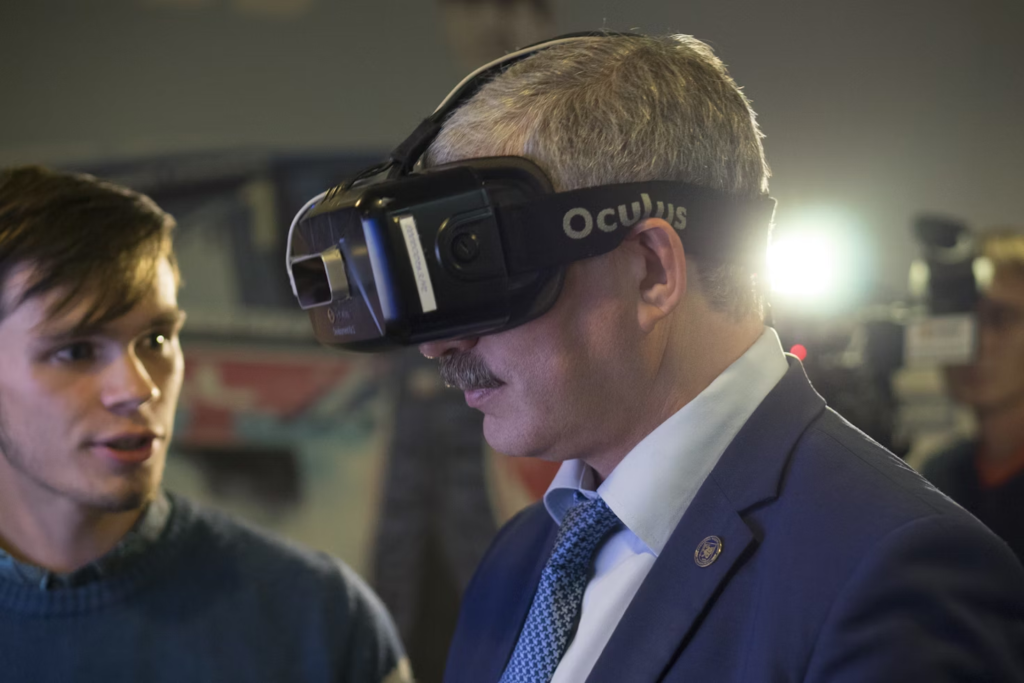
As AR becomes more widely adopted by society for education and recreation, we’ll need experts to design digital overlays for real-world environments. An AR architect will create virtual shopping experiences, interactive museums, and even holographic city maps that blend seamlessly with reality. Imagine building the next reality that connects billions of users over endless use cases and platforms.
13. Smart Home Designer

Smart homes are the new normal. Your home has gone beyond just providing you shelter, it needs to offer comfort, security, and ease. People will need professionals who can integrate real time digital solutions, machine learning, IoT, and automation seamlessly into their living spaces. A smart home designer will specialize in creating homes that adjust lighting, temperature, and security settings based on personal preferences.
14. Emotional AI Trainer
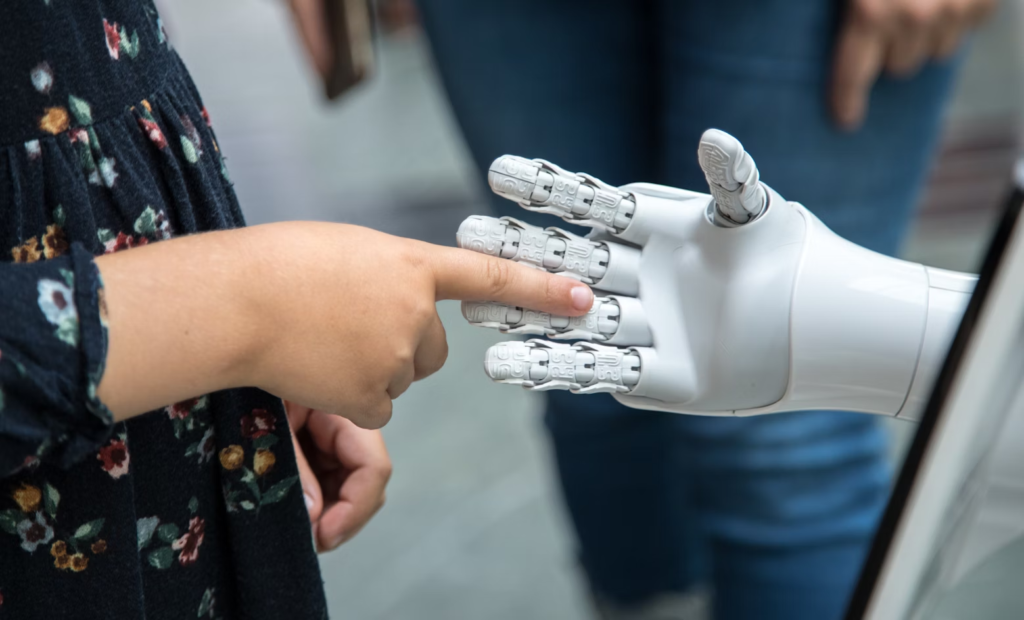
AI is getting better at detecting human emotions, but it still needs help. An emotional AI trainer will work with AI developers to teach machines how to recognize and respond to human emotions appropriately. This is no small feat as their task will help chatbots, virtual assistants, and even robots become more empathetic and human-like. There are already a few jobs open to Africans and Nigerians, where people help train artificial intelligence to respond to emotions.
15. Quantum Computing Analyst

Quantum computers are the future of data and solution provision. This field is one promising to revolutionize problem-solving in industries like medicine, finance, logistics, and more. A quantum computing analyst will be responsible for translating quantum data into practical applications for businesses and governments. In no time we may be to answer some of the deepest questions about humanity!
The Future Workforce: Adapt and Evolve

The world as we know it is changing at a rapid pace, the likes of which human civilization has never experienced. The pandemic was a turning point, opening the eyes of the world to a completely remote society, birthing new roles, and rendering some redundant.
As we approach 2030, the job market will continue to shift. Some traditional jobs will disappear, while new and exciting roles will emerge. The key to staying relevant? Adaptability.
The rest of the world is moving with the flow. As a young African, what are you doing to avoid getting left out? Whether you’re a student deciding on a career path or a professional considering a shift, keeping an eye on emerging careers can help you stay ahead of the curve.
Conclusion
So, which of these futuristic jobs excites you the most? Will you be a digital currency advisor, an earthquake forecaster, or perhaps a space tourism guide? Whatever the case, the future workforce is going to be one wild ride, and I hope you will be strapped in!
If you need to see what some of these opportunities are about, visit the Techrity Opportunity Board. You can click here to join our community for more insight.


