From scheduling meetings to brainstorming ideas, AI is reshaping the workplace. But will it replace you or empower you?
The workplace is currently experiencing a massive transformation. Artificial intelligence (AI) is no longer a futuristic dream but an active force shaping how we work. From virtual assistants managing schedules to advanced AI models generating creative content, the integration of AI into our daily workflows is accelerating. The question remains: Will AI replace human workers or serve as a valuable colleague, enhancing productivity and efficiency?
This article delves into AI’s role in the workplace, exploring its impact on job roles, automation, and how we collaborate with technology. We will examine the rise of robot assistants, the future of automation, and how professionals can adapt to an AI-driven work environment.
The Rise of AI in the Workplace
Artificial intelligence has become an essential part of modern business operations. Companies across industries leverage AI-powered tools to improve efficiency, reduce costs, and enhance decision-making. AI is no longer confined to tech giants; small businesses, healthcare providers, financial institutions, and retail chains are all integrating AI into their operations.
How AI is Changing Workplaces
AI is changing workplaces in the following ways:
1. Automating Repetitive Tasks: AI excels at handling repetitive and time-consuming tasks, such as data entry, appointment scheduling, and customer service inquiries.
2. Enhanced Decision-Making: AI-driven analytics provide businesses with deep insights, helping managers make informed decisions based on real-time data.
3. Personalised User Experience: AI-powered recommendations and predictive analytics personalise customer interactions, improving satisfaction and engagement.
4. Workforce Augmentation: AI does not necessarily replace employees but augments their abilities, enabling them to focus on strategic and creative work.
Examples of AI in Action
- Chatbots and Virtual Assistants: AI chatbots like ChatGPT, Siri, Gemini, and Google Assistant streamline communication by answering queries and performing tasks. Businesses also use AI-driven chatbots like Ziva and Leo to handle customer inquiries, reducing wait times and improving service.
- AI in Finance: Financial institutions rely on AI algorithms for fraud detection, credit scoring, and investment analysis.
- AI in Healthcare: AI-powered diagnostic tools assist doctors in identifying diseases, enhancing accuracy and efficiency.
Robot Assistants: Colleagues, Not Competitors
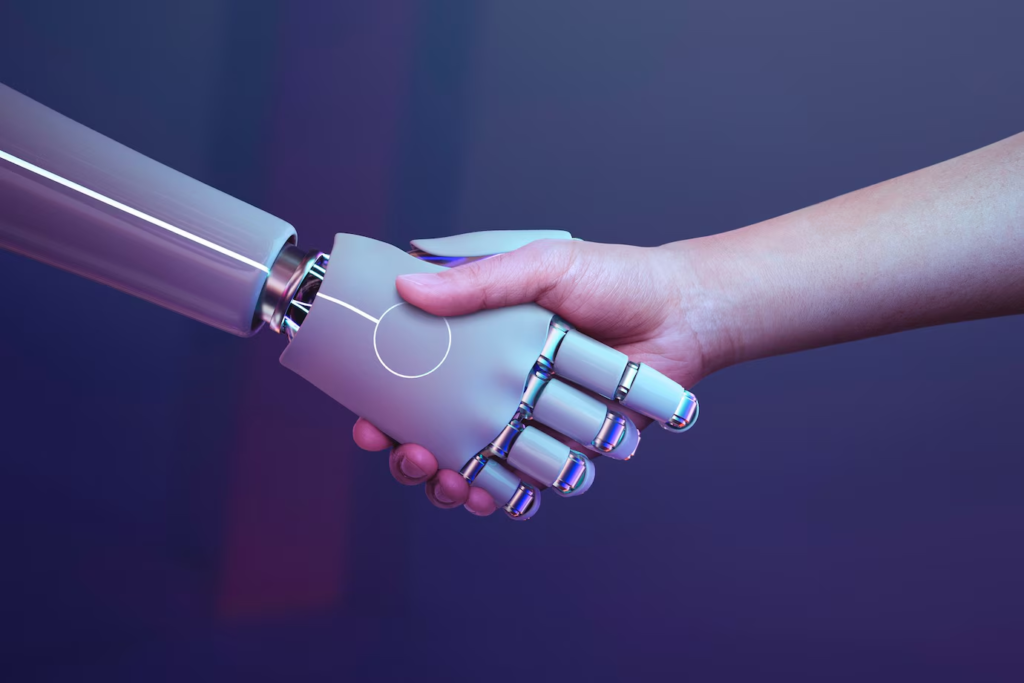
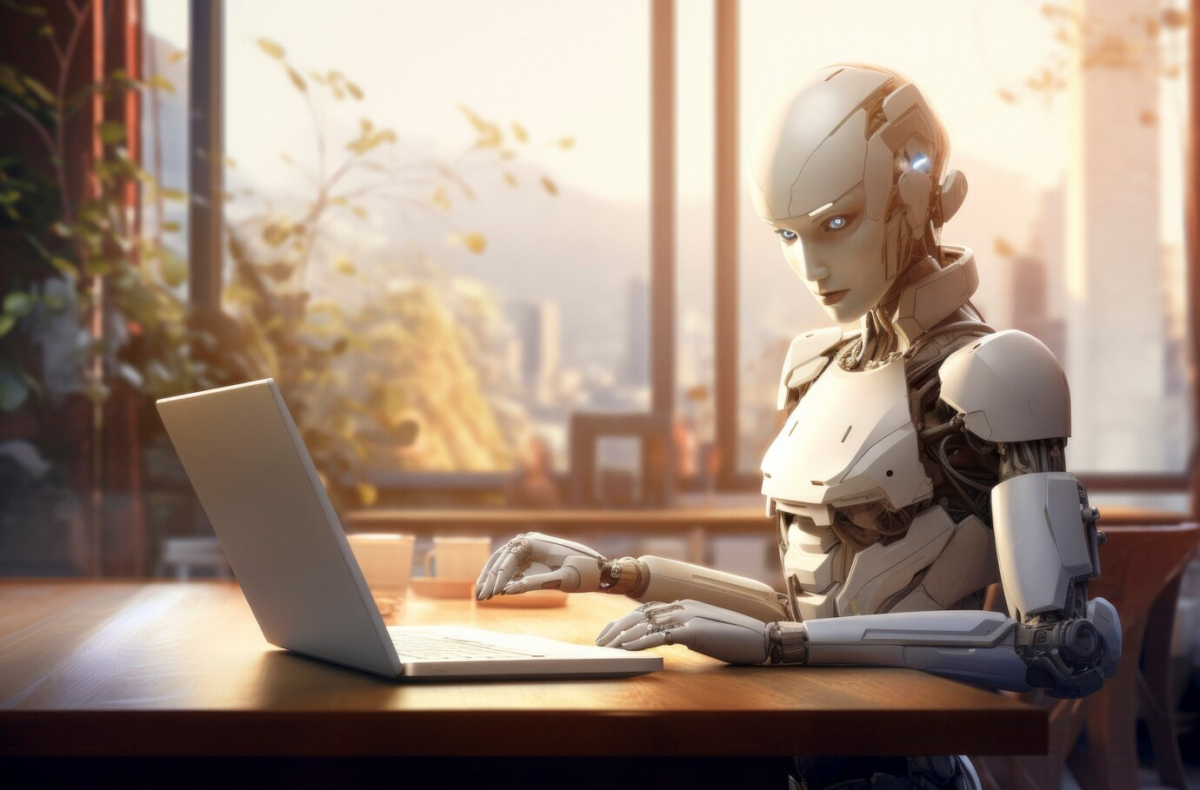
One of the most visible manifestations of AI in the workplace is the rise of robot assistants. These AI-powered tools and machines are designed to collaborate with humans, improving efficiency rather than replacing human workers.
How Robot Assistants Benefit the Workplace
- Increased Productivity: Robots can work 24/7 without breaks, ensuring continuous operations.
- Cost Savings: Automating tasks reduces labour costs and minimises errors.
- Improved Safety: In high-risk industries like construction and manufacturing, robots handle dangerous tasks, protecting human workers.
- Enhanced Creativity: By taking over tedious tasks, AI allows employees to focus on innovation and problem-solving.
The Future of Automation and Job Roles
While AI-driven automation is changing how we work, it also creates new jobs. The future workforce must adapt to an AI-integrated environment, focusing on skills that complement automation rather than compete with it.
Job Roles That will be immensely Affected by AI
- Repetitive Task-Based Roles: Jobs that involve routine, predictable tasks—such as data entry, telemarketing, and certain administrative functions—are more susceptible to automation.
- Customer Service and Support: AI chatbots handle basic inquiries, reducing the need for extensive customer support teams.
- Manufacturing and Logistics: Robotic automation in warehouses and factories is reducing reliance on manual labour.
- Financial Analysis: AI-driven predictive analytics assist in risk assessment, investment management, and fraud detection.
Emerging Job Roles
AI is not just eliminating jobs—it is also creating new ones. As automation takes over repetitive tasks, new roles are emerging in AI development, maintenance, and ethics.
- AI Ethics Consultants: Ensure AI systems are transparent, fair, and unbiased.
- Data Scientists: Analyse large datasets to derive actionable insights.
- AI Trainers: Teach AI models to improve accuracy and reliability.
- AI Maintenance and Support Specialists: Ensure AI-driven systems function efficiently.
Skills for the AI-driven workforce
To stay relevant in an AI-powered workplace, professionals need to develop the following skills:
- Critical Thinking: AI excels at processing data, but humans are needed for interpretation and strategic decision-making.
- Emotional Intelligence: AI lacks human empathy, making soft skills essential for leadership and teamwork.
- Adaptability: The ability to learn new technologies and adapt to changing job requirements will be crucial.
- AI Literacy: Understanding how AI works and leveraging it effectively will be key skills across industries.
Will AI Replace or Empower Workers?
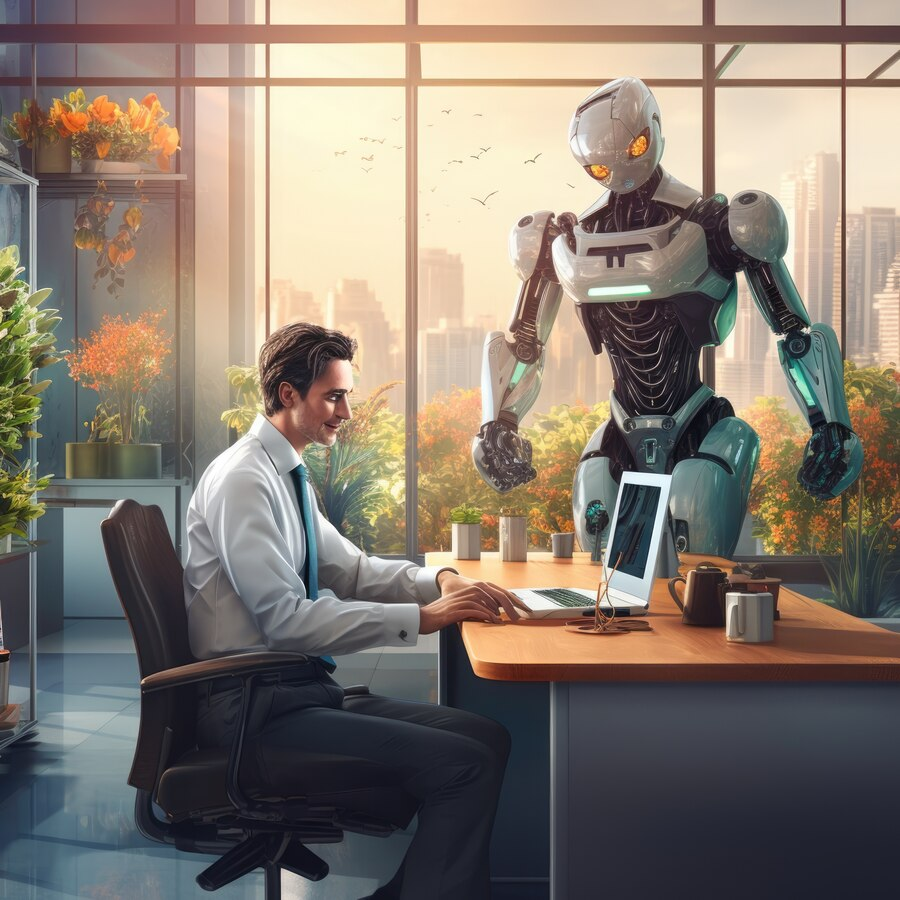
The debate over AI replacing jobs versus empowering workers continues. The truth lies somewhere in between. While AI will inevitably automate specific tasks, it will also enhance human capabilities, leading to greater efficiency and innovation.
Ethical Considerations and Challenges
Despite its advantages, AI poses ethical and social challenges:
- Job Displacement: Certain roles may become obsolete, requiring reskilling initiatives.
- Bias in AI Systems: AI algorithms can reflect biases in training data, leading to ethical concerns.
- Privacy and Security Risks: AI systems collect and analyze vast amounts of data, raising concerns about data security and privacy.
Preparing for the AI-Integrated Future
Organizations and employees alike must prepare for an AI-driven future. Here’s how:
What Organizations Can Do
- Invest in Employee Training: Providing upskilling opportunities ensures a smooth transition to an AI-powered workplace.
- Adopt Ethical AI Practices: Implementing transparent AI governance prevents bias and ensures fairness.
- Foster Human-AI Collaboration: Encouraging teamwork between AI tools and human employees maximizes productivity.
What Employees Can Do
- Embrace Lifelong Learning: Staying updated with AI trends and acquiring relevant skills will enhance career prospects.
- Develop a Growth Mindset: Being open to change and continuous learning will make employees more adaptable.
- Leverage AI Tools: Understanding how to use AI effectively can enhance productivity and job performance.
Final Thoughts
AI in the workplace is here to stay. Rather than fearing automation, professionals should focus on automation to enhance their skills and productivity rather than fearing it. The future of work isn’t about humans vs. robots—it’s about working together for more incredible innovation and efficiency.
As AI continues to evolve, the key to success will be collaboration, adaptability, and a commitment to lifelong learning. Whether AI becomes a valuable colleague or a disruptive force depends on how we choose to integrate and manage it within our workplaces.